
Description: Complete guide to Kenya's Masai Mara during the 2026 migration season. Includes safari logistics, accommodation options, photography tips, wildlife viewing, Maasai cultural experiences, and cost breakdown for this once-in-a-lifetime African adventure.
Introduction
The Masai Mara National Reserve in Kenya is home to one of nature's most spectacular events: the Great Migration. Every year, over 1.5 million wildebeest, zebras, and gazelles traverse the Serengeti and Mara ecosystem in search of fresh grazing lands. The crossing of the Mara River is particularly dramatic, with predators waiting to hunt the migrating herds.
June through October is the dry season and peak migration period. July-September represents the height of the migration in the Masai Mara, making 2026 summer the perfect time to witness this natural wonder.
Quick Facts
- Best Time: June-September (peak migration July-September)
- Main Attraction: Great Migration river crossings
- Wildlife: Big Five (lion, elephant, buffalo, leopard, rhino) plus millions of grazers
- Daily Budget: USD $200-500+ per person
- Duration: 3-7 days recommended
- Accommodation: Lodges, tented camps, luxury safari resorts
- Getting There: Nairobi airport, then internal flight to Mara airstrip
The Great Migration: Nature's Greatest Spectacle
What is the Migration?
The Serengeti-Mara ecosystem encompasses approximately 30,000 square kilometers across Tanzania and Kenya. Two major species drive the migration:
Wildebeest: 1.3 million strong
- Follow grazing patterns dictated by rains
- Travel in massive herds
- Take treacherous river crossings
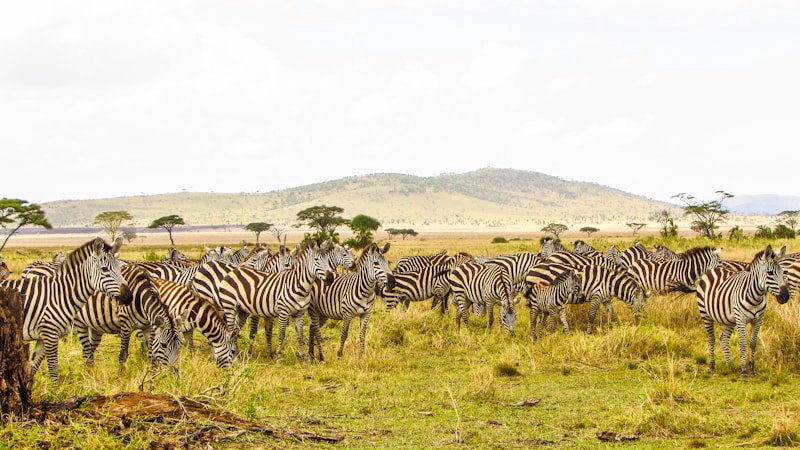
Zebras & Gazelles: 200,000+ zebras and gazelles
- Often lead migration routes
- Excellent at detecting predators
- Different grazing preferences than wildebeest
Migration Timeline
June: Migration enters Masai Mara from Tanzania
- Best crossing locations: Grumeti River
- Predator concentration very high
- Dramatic river crossings common
- Ideal for wildlife photography
July-August: Peak migration in Masai Mara
- Highest concentration of animals
- Most frequent river crossings
- Best time for sightings
- Can be crowded with tourists (book ahead)
September: Late migration period
- Still excellent sightings
- Fewer tourists than July-August
- Animals heading back to Serengeti
- Weather may be variable
October: Migration retreats to Serengeti
- Mara starts to empty out
- Still opportunities for sightings
- Lowest prices
- Less crowded experience
The River Crossings
Grumeti River:
- Wider, slower-moving river
- More unpredictable crossings
- Crocodile encounters common
- Crossings can be deadly (many animals don't survive)
- Peak crossings: June-July
Mara River:
- Narrower, faster current
- More frequent crossings
- July-August peak crossings
- Hyenas and crocodiles wait below
- Dramatic predator-prey interactions
Viewing Crossings:
- Can't predict exact timing
- Scout along river banks early morning
- Patience and luck required
- Professional guides increase odds significantly
- Multiple crossings possible daily during peak season
Planning Your Safari
Types of Safari Experiences
Budget Safari:
- USD $200-300/day (all-inclusive)
- Shared accommodations
- Group game drives
- Public transportation
- Best value option
Mid-Range Safari:
- USD $300-600/day
- Private/small group accommodations
- Dedicated safari guide
- Private game drives (groups of 4-6)
- Good balance of comfort and cost
Luxury Safari:
- USD $600-1,500+/day
- Premium lodges with excellent amenities
- Private guides and vehicles
- Exclusive experiences (walking safaris, helicopter tours)
- All-inclusive meals and beverages
Ultra-Luxury Safari:
- USD $1,500+/day
- Five-star resorts and tented camps
- Expert naturalists as guides
- Premium experiences
- Michelin-level dining
When to Book
- Book 6-12 months in advance for peak season (July-August)
- June and September bookings more flexible
- Prices increase 20-40% during peak migration
- Consider private operators vs. package deals
Getting There
International Flight:
- Most visitors fly via Nairobi (Jomo Kenyatta International Airport)
- Multiple daily flights from major African hubs
- International flights from Europe, Middle East, Asia
Nairobi to Mara:
- Internal flights: 1 hour (AUD $150-400 return)
- Road transfer: 5-6 hours (AUD $100-200)
- Flights highly recommended (saves time, more comfortable)
Accommodation Options
Luxury Lodges
Governors' Camp:
- Iconic safari lodge (40+ years operating)
- Excellent guiding and game drives
- Rate: USD $800-1,200/night
- All meals included
- Reputation for wildlife sightings
Saruni Mara:
- Ultra-luxury, only 8 suites
- Private infinity pools
- Exceptional food
- Rate: USD $1,200-2,000+/night
- Exclusive, must book early
Mara Serena Safari Lodge:
- Mid-luxury option (120+ rooms)
- All meals included
- Good location
- Rate: USD $500-800/night
Mid-Range Camps
Keekorok Lodge:
- Classic safari lodge
- 80+ rooms
- Good value for quality
- Rate: USD $300-500/night
Mara Intrepids Camp:
- Tented camp style
- More intimate feel
- Excellent service
- Rate: USD $400-700/night
Budget Options
Mara Leopard Camp:
- Budget-friendly (20 rooms)
- Basic but comfortable
- Rate: USD $150-250/night
- Good reviews
Masai Mara Public Campsites:
- Budget camping option
- Bring own tent or rent
- Rate: USD $20-50/night
- Rustic experience
Wildlife & Big Five
The Masai Mara is one of Africa's best places to see the Big Five: lion, elephant, buffalo, leopard, and rhino.
Lion (Simba)
- Most numerous predator
- 450+ lions in Mara
- Hunt in prides
- Best viewing: early morning drives
- Pride life: females hunt, males protect territory
Elephant (Tembo)
- Largest land mammal
- 3,000-4,000 in ecosystem
- Herds of 10-20 common
- Can be dangerous
- Intelligent, complex social structure
Buffalo (Nyani)
- Powerful, unpredictable
- 150,000 in ecosystem
- Often seen during migration
- Can charge if threatened
- Formidable predator prey
Leopard (Chui)
- Elusive, nocturnal
- Population: 100-150 in Mara
- Excellent camouflage
- Sightings require patience and luck
- Often seen dragging kills into trees
Rhino (Karkadanni)
- Black rhinoceros (critically endangered)
- Fewer than 100 in Mara
- Prehistoric appearance
- Very territorial
- Rarest to spot of Big Five
Other Iconic Wildlife
Zebras: 250,000+ (unique stripe patterns)
Wildebeest: 1.3 million (during migration)
Giraffes: 1,000+ (tallest land animals)
Cheetahs: 200+ (fastest predator)
Hippos: 3,000+ (dangerous, mostly nocturnal)
Wild Dogs: 50+ (endangered, excellent hunters)
Safari Photography Guide
Best Time for Photography
- Golden Hour: First light (6:30-7:30 AM), last light (5:30-6:30 PM)
- Midday: Harsh shadows, not ideal, but wildlife less active
- Cloudy Days: Soft light, good for detail
- River Crossings: Any time, dramatic action
Equipment Recommendations
- Camera: DSLR or mirrorless (professional quality)
- Lens: 70-200mm standard, 300-400mm for distant subjects
- Tripod: Beanbag mount on vehicle roof works well
- Filters: Polarizing filter for glare reduction
- Memory Cards: Large capacity (multiple cards backup)
- Batteries: Extra batteries (cold drains battery fast)
Photography Tips
- Keep camera ready while driving
- Anticipate animal behavior
- Respect animal space (guide will enforce distances)
- Be patient (good shots require waiting)
- Ethical considerations (animal welfare first)
- Share photos responsibly (many guides love to see photos)
Cultural Experiences
Maasai People
- Pastoral semi-nomadic people
- 15+ ethnic groups in Kenya/Tanzania border region
- Distinctive red cloths (shuka)
- Warrior traditions (young men)
- Cattle are central to culture and wealth
Maasai Village Visits
Typical Experience:
- Guided visit to traditional manyatta (settlement)
- Meet Maasai families
- Learn about daily life, traditions, culture
- Participate in activities (beaded jewelry, traditional dances)
- Support local community (portion of fees goes to village)
Considerations:
- Can feel touristy in some locations
- Authentic villages less comfortable than lodges
- Respectful approach essential
- Photography guidelines to follow
- Fair compensation to community important
Traditional Experiences
- Warrior Training: Young warriors demonstrate jumping (high jumps to 2+ meters)
- Beadwork: Intricate beaded jewelry (women's craft)
- Traditional Music/Dance: Energetic performances
- Livestock: See cattle herds, learn pastoral traditions
Practical Information
Best Months & Weather
- Dry Season: June-September (best for migration, clear skies)
- Temperature: 15-28°C (60-82°F), cooler at night
- Rain: Minimal during dry season
- Cloud Cover: Some cloud but generally good visibility
What to Pack
- Clothing: Neutral colors (khaki, green, gray - don't wear bright colors)
- Sunscreen: SPF 50+ (intense sun at elevation)
- Hat & Sunglasses: Essential protection
- Binoculars: 10x42 quality recommended
- Insect Repellent: Malaria prophylaxis before travel
- Medications: Anti-diarrheal, pain relief, altitude sickness prevention
Health & Safety
- Malaria: Prevalent in region, take prophylaxis
- Altitude: Mara is 1,500m, generally not problematic
- Safety: Generally safe with reputable tour operators
- Travel Insurance: Essential, evacuation coverage important
- Vaccinations: Yellow fever, typhoid recommended
Cost Breakdown (7-Day Safari)
Budget Safari
- Internal flights: USD $400
- Accommodation (6 nights): USD $1,200
- All-inclusive (meals, game drives): Included
- Activities: USD $200
- Total: USD $1,800
Mid-Range Safari
- Internal flights: USD $400
- Accommodation (6 nights): USD $2,400
- All-inclusive packages: Included
- Activities and tips: USD $300
- Total: USD $3,100
Luxury Safari
- Internal flights: USD $500
- Accommodation (6 nights): USD $4,800
- All-inclusive: Included
- Premium experiences (helicopter, walking safari): USD $1,000
- Total: USD $6,300+
Best Tour Operators
Reputable Companies:
- Tamarind Africa Safaris
- Governors' Camps Safaris
- Saruni Safaris
- Africa Venture Safaris
- Wilderness Safaris
Conclusion
The Masai Mara during the Great Migration is one of the world's most incredible natural events. Witnessing millions of animals in their annual journey, experiencing African wildlife in its most dramatic form, and connecting with Maasai culture creates memories that last a lifetime. Come prepared, book with reputable operators, respect the environment and wildlife, and prepare for an unforgettable adventure in one of Earth's last great wildernesses.



Wskazówki podróżnicze
Brak wskazówek. Bądź pierwszy!