
South Africa's Most Cosmopolitan Destination in the Perfect Season
Cape Town in June-August combines three extraordinary experiences: the Southern Hemisphere's winter whale season (when Southern Right Whales migrate up the coast), world-class wine country in the surrounding valleys, and the dramatic Table Mountain and Cape coastline. Winter in Cape Town means cooler temperatures (8-16°C / 46-61°F), clearer skies, and one of the world's great city-nature-wine combinations.
The Cape peninsula extends into the Atlantic, creating a unique Mediterranean climate with mountains plunging to the sea. Robben Island—where Nelson Mandela spent 18 years in prison and now a UNESCO World Heritage Site—sits in Table Bay. The Winelands extend inland behind Cape Town toward Stellenbosch and Franschhoek.

The Whale Season
Southern Right Whales
From June through November, Southern Right Whales migrate up the South African coast from the Antarctic, passing within meters of shore—some years hundreds of whales can be seen from land. The peak season is July-September when mothers with calves come closest to shore.

Best viewing spots from land:
- Hermanus (120 km east): Designated the "Whale Watching Capital of the World". Land-based watching is world-class; whales often come within 10 meters of shore.
- De Kelders (between Cape Town and Hermanus): Dramatic cliff-side viewpoints
- Boulders Beach (near Simon's Town): Underwater viewing through glass-bottomed boats possible
Whale Watching Tours
Multiple operators run boat-based whale watching tours from Cape Town harbor and Hermanus. The 90-minute tours venture into Table Bay where whales often congregate. Professional skippers navigate to position boats for optimal viewing without disturbing the animals.
Cape Peninsula & Cape Point
The dramatic Cape Peninsula extends 30 km into the Atlantic, with the famous Cape Point (Cape of Good Hope) at its tip—a meeting point of cold Atlantic waters and warmer Indian Ocean currents.
Highlights:
- Chapman's Peak Drive: A scenic 9 km coastal drive carved into the cliffs between Hout Bay and Camps Bay with pullout viewpoints
- Boulders Beach: Home to the African penguin colony—one of the few places in the world to swim with penguins
- Cape Point Nature Reserve: Hiking trails with views of the Cape Peninsula and passing whale pods
- Camps Bay: The beach suburb with tree-lined promenade, cafes, and views of the Twelve Apostles mountains
The Winelands
The valleys around Cape Town produce some of the world's finest wines—particularly Cabernet Sauvignon, Shiraz, and Sauvignon Blanc.
Stellenbosch Wine Valley
Centered on the university town of Stellenbosch (45 km southeast of Cape Town), the valley has over 150 wineries ranging from small artisanal producers to grand estates. Stellenbosch itself is charming with Cape Dutch architecture and oak-lined streets.

Noteworthy producers:
- Delaire Graff (luxury tasting with views)
- Warwick Estate (boutique, excellent Cabernet)
- Rustenberg (historic estate, lunch venue)
- Waterford (Shiraz specialist)
Franschhoek Valley
The more upscale and touristy wine region (65 km southeast), Franschhoek (French Corner) was settled by French Huguenot refugees in the 1680s. The village retains a distinctly French character with excellent restaurants, art galleries, and cellar-door tastings.
Experience: The Franschhoek Wine Tram—a heritage tram running through the valley with stops at selected wineries, lunch included.
Constantia Valley
The historic wine region closest to Cape Town (20 km south), Constantia is the birthplace of South African wine in the 17th century. The cooler maritime climate produces excellent Sauvignon Blancs and Shiraz.
Key estates:
- Klein Constantia (historic, excellent Sauvignon Blanc)
- Constantia Uitsig (restaurant with lake views)
- Steenberg (oldest wine estate in South Africa, 1692)
City Experiences
Table Mountain
The iconic flat-topped mountain overlooking the city (1,086 meters elevation) offers views across the Cape Peninsula, Robben Island, and the surrounding valleys. The rotating cable car whisks visitors to the summit in 8 minutes. Winter brings occasional snow on the peak and generally clearer conditions than summer.
Hiking: Multiple trails lead to the summit (Platteklip Gorge being the steepest direct route, 1.5 hours up). Hikers often descend by cable car.
Robben Island
The UNESCO World Heritage Site and prison where Nelson Mandela spent 18 of his 27 years incarcerated. The island is now a museum—prisoners serve as tour guides, sharing personal accounts. Day trips include ferry from Cape Town harbor (90 minutes including the island tour).
Company's Garden & City Center
The original vegetable garden planted by Dutch settlers in the 17th century is now a pleasant public garden in the city center. The nearby South African Museum and Iziko South African National Gallery are world-class institutions.
Food & Wine Culture
Cape Town has emerged as one of Africa's finest food destinations, with a restaurant scene rivaling major European cities.
Fine Dining
The Shortmarket Club — Michelin-starred restaurant in the city center
Codfather Seafood and Sushi — Waterfront location, exceptional seafood
Greenhouse — Contemporary South African cuisine in Constantia wine valley
The Avondrust — Farm-to-table dining, wine-pairing focused
Markets & Street Food
Old Biscuit Mill Weekend Market (Saturdays) — Street food, crafts, art in a converted biscuit factory
Neighbourgoods Market (Thursdays)— Curated food and craft vendors
Greenmarket Square — Daily produce and craft market in the city center
Cape Malay Cuisine
The historic Cape Malay community (descendants of political exiles and enslaved people from Indonesia) contributed a distinct culinary tradition—fragrant curries, sosaties (kebabs), and koesisters (Cape Malay desserts).
Bo-Kaap neighborhood — Historic quarter with colorful homes, traditional restaurants, and the Bo-Kaap Museum
Practical Information
When to Go (Winter)
June-August: Cool (8-16°C), clear skies, whale season peak. School holidays (July) very busy.
Getting There
Cape Town International Airport (CTN): Flights from European capitals, through Johannesburg or Dubai from North America, direct from other African cities.
Getting Around
Rental car — Essential for Winelands and Peninsula exploration
Uber — Available in city center
Tours — Hotel-arranged or on-demand wine, whale-watching, Peninsula tours
Budget Guide
| Expense | Budget | Mid-Range | Splurge |
|---------|--------|-----------|---------| | Accommodation | $30-60 (hostel) | $80-180 (hotel) | $250-600 (luxury) |
| Dinner | $15-30 | $40-80 | $100-250 (fine dining) |
| Cable car (Table Mtn) | $20 | — | — |
| Wine tour (half-day) | $60 | $90 | $180+ (luxury estates) |
| Whale watching tour | $70 | — | — |
Highlights
- Spot whales from land — Hermanus, De Kelders, or Boulders Beach
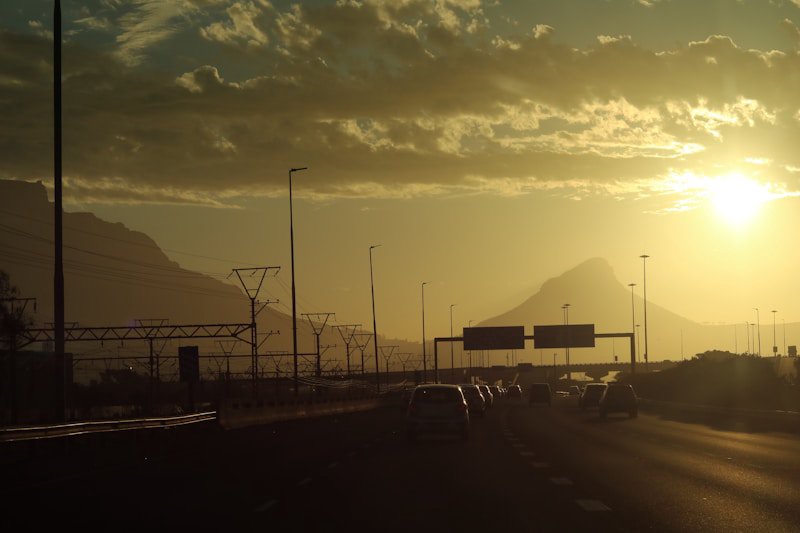
- Sunset at Camps Bay — Table Mountain reflected in golden light
- Table Mountain at sunrise — Cable car opens at dawn
- Franschhoek Wine Tram — Half-day wine country experience
- Penguin colony — Boulders Beach with swim-able beach
Cape Town in winter is Africa's most complete destination combining wildlife, wine, culture, mountains, and world-class food and hospitality in a single compact region.



نصائح السفر
لا توجد نصائح حتى الآن. كن أول من يشارك!